Why I Always Carry One Extra Layer Even in Warm Weather
For a long time, I thought carrying an extra layer when it was already warm outside meant I was being impractical or overly cautious, as if I didn’t trust the forecast or my own ability to tolerate a little discomfort. I would leave the house feeling confident in short sleeves, only to find myself hours…
For a long time, I thought carrying an extra layer when it was already warm outside meant I was being impractical or overly cautious, as if I didn’t trust the forecast or my own ability to tolerate a little discomfort.
I would leave the house feeling confident in short sleeves, only to find myself hours later sitting in air-conditioned spaces with my shoulders tense, my arms crossed, and my focus drifting toward how cold I felt rather than what I was doing.
What I eventually realized was that my discomfort wasn’t about temperature alone, but about how often my body was being asked to adjust quickly without support, moving from heat to cold and back again without any buffer.
Once I noticed that pattern, carrying one extra layer stopped feeling like an overreaction and started feeling like a quiet form of care.
The Day I Noticed How Much Energy Temperature Was Taking
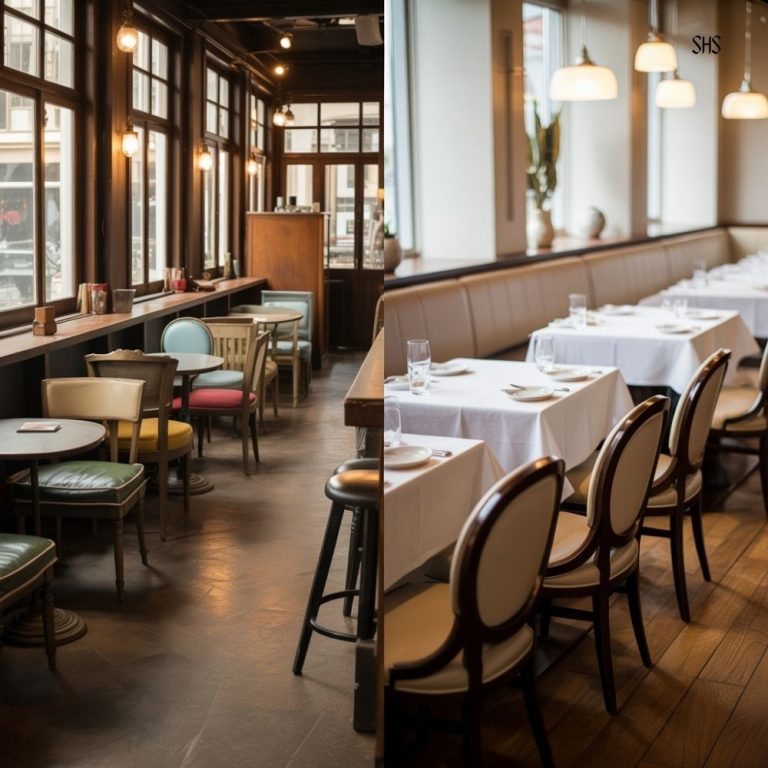
The moment this habit became obvious to me happened on a perfectly warm afternoon when I ducked into a café to sit for a while, expecting the indoor space to feel refreshing after the heat outside.
Instead, the cold air hit my skin immediately, and I found myself shrinking inward without realizing it, shoulders lifting, jaw tightening, and attention slipping away from the book in front of me.
I stayed longer than I planned, and by the time I left, I felt oddly drained, even though I hadn’t done anything particularly demanding. Walking back outside into the warmth felt like relief, but also confusion, because the temperature swings had left me feeling unsettled rather than refreshed.
That was when it clicked that temperature was quietly shaping my mood more than I had ever given it credit for.
Why Comfort Matters More Than Looking Prepared
Once I started carrying an extra layer, I noticed how quickly the narrative around it shifted in my mind, because I stopped thinking about how it looked and started paying attention to how it felt.
The layer I carry isn’t chosen for style points or coordination, but for softness, weight, and flexibility. Something that can be folded easily, draped loosely, and put on or taken off without ceremony.
It lives in my bag not as an outfit choice, but as a tool, ready to step in when my body needs a little help staying regulated. That distinction changed everything because it removed any pressure to justify the choice beyond comfort.
How One Layer Creates a Sense of Control
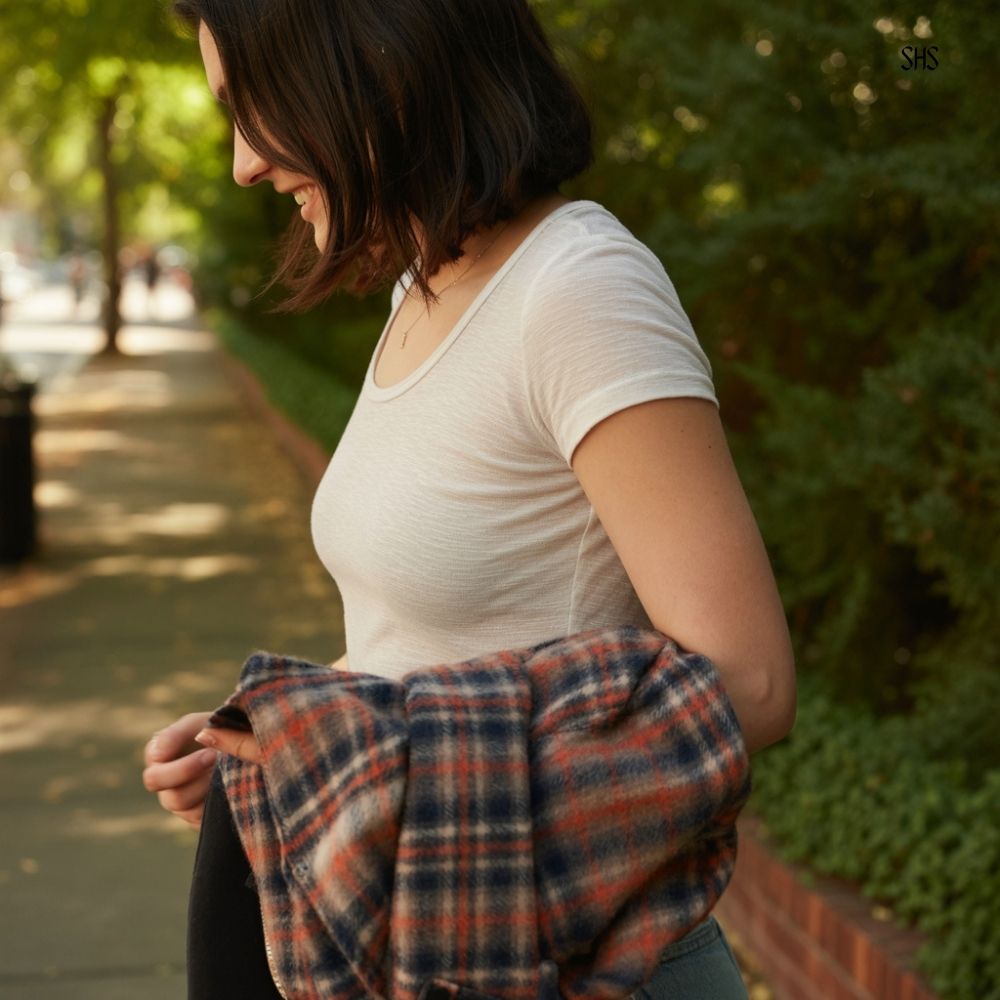
There’s something quietly reassuring about knowing you have a way to respond to changing conditions without needing to leave or endure discomfort, and that reassurance alone makes public spaces feel easier to navigate.
When I can slip on a light sweater or scarf the moment I feel chilled, my body relaxes instead of bracing, and my attention stays where I want it.
The layer becomes a buffer between me and environments that don’t consider individual comfort, allowing me to stay present rather than distracted by physical unease.
The Kind of Layer That Actually Works
Through trial and error, I’ve learned that not all layers serve this purpose equally, because the goal isn’t warmth alone, but adaptability.
I reach for materials that breathe, like cotton, light wool, or soft knits, which warm gently without trapping heat, and I avoid anything bulky or stiff that feels like a commitment rather than an option.
The best layers are the ones that disappear when not in use and reappear exactly when needed, folding easily into a bag and unfolding without fuss.
What surprised me most about this habit was how much calmer I felt throughout the day, because physical comfort has a direct line to emotional ease that I had been underestimating.
When my body isn’t distracted by cold or sudden changes in temperature, my nervous system stays steadier, and I’m less reactive to small stresses that would otherwise feel amplified.
The extra layer acts like quiet reassurance, a reminder that I can take care of myself in small, practical ways without drawing attention or making a scene.
Why I Carry It Even When I Think I Won’t Need It
There are plenty of days when the extra layer stays folded in my bag from morning to night, and that’s perfectly fine, because its value isn’t in constant use, but in availability. Knowing it’s there reduces anticipatory stress, which is often just as draining as discomfort itself.
The layer earns its place by offering reassurance rather than proving its usefulness every time.
Carrying an extra layer taught me to trust my body’s signals instead of overriding them in the name of convenience or appearance. It reminded me that comfort isn’t something you earn after enduring discomfort, but something you’re allowed to support proactively.
That lesson has spilled into other areas of my life, making me more attentive to small needs before they turn into larger issues.
As long as public spaces remain unpredictable in temperature, I’ll keep carrying one extra layer, because it gives me a sense of agency over my comfort that I didn’t realize I was missing.
The habit is simple, unremarkable, and deeply effective, which makes it exactly the kind of support I want in my everyday life.
Sometimes comfort is just about being prepared to soften the moment when you need to.
Today’s Charm
Tuck one soft layer into your bag tomorrow and notice how it changes the way you move through different spaces.
What small adjustment could help your body feel more supported when conditions shift?