What It Took Me a Long Time to Admit About Rest
For a long time, I thought I understood rest, because I scheduled it, protected it, and even talked about it as something I valued, yet somehow it never quite worked the way I expected it to. I would sit down, lie down, or clear space for it, and still feel vaguely unsettled, as if my…
For a long time, I thought I understood rest, because I scheduled it, protected it, and even talked about it as something I valued, yet somehow it never quite worked the way I expected it to.
I would sit down, lie down, or clear space for it, and still feel vaguely unsettled, as if my body hadn’t received the message that it was finally allowed to stop.
What confused me most was that I wasn’t avoiding rest outright, and I wasn’t living in constant urgency either, yet something about slowing down felt uncomfortable in a way I couldn’t explain.
I assumed that meant I was doing rest incorrectly, or that I simply needed more practice at letting go, without realizing that I was resisting something much deeper than stillness.
It took me much longer than it should have to admit that the issue wasn’t a lack of rest, but a misunderstanding of what rest actually needed to look like for me.
The Subtle Ways I Resisted Rest
My resistance didn’t show up as refusal or busyness, but as negotiation, the kind that sounds reasonable on the surface but quietly undermines itself. I told myself I could rest after one more task, or that I could relax while still staying alert, or that rest would feel better once everything was properly wrapped up.
Even when I sat still, my attention stayed half-engaged, monitoring time, tracking what was left undone, and preparing for what came next, as if stopping completely might cause something important to fall apart.
I thought this meant I needed stronger boundaries or better habits, when in reality it meant I didn’t trust rest to hold me. That distrust ran deeper than I realized.
Why Stillness Felt Unsafe
When I finally slowed down enough to listen, I noticed that rest made certain feelings louder, feelings I had been smoothing over with gentle productivity and low-level motion.
In stillness, there was nothing to distract me from subtle unease, unfinished emotions, or the quiet pressure I carried to stay functional and available.
Rest wasn’t uncomfortable because it was wrong, but because it removed the buffer I had built between myself and whatever I hadn’t yet acknowledged. I wasn’t resisting rest itself, but what surfaced when I allowed it fully.

The Moment Acceptance Started to Take Shape
Acceptance didn’t arrive as a sudden realization, but as a slow softening that happened across many ordinary moments when I noticed how my body responded to different kinds of rest.
I started paying attention to when rest actually helped me feel restored versus when it left me restless and tense, and I stopped assuming the problem was discipline or effort.
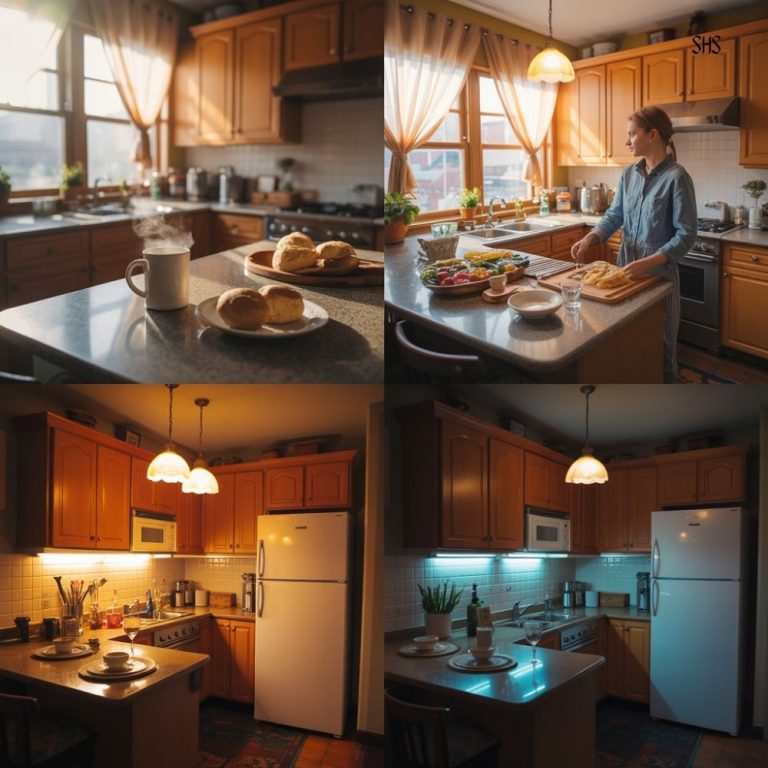
I noticed that rest worked best when it was active enough to hold my attention gently, like folding laundry slowly, sitting in warm light, or cooking something simple.
That complete stillness only worked when my nervous system already felt safe. That observation changed the way I framed rest entirely, shifting it from a rule to a response.
Accepting that my version of rest needed texture rather than emptiness was a turning point.
Letting Go of the Ideal Version of Rest
One of the hardest things to release was the image of rest I thought I was supposed to want, the quiet, motionless version that looks serene from the outside and feels virtuous for choosing.
I wanted to be someone who could lie down and feel instantly peaceful, who could sit with nothing and feel replenished. Admitting that this wasn’t always true for me felt like a personal shortcoming at first.
Over time, I realized that clinging to that ideal was keeping me from actually resting, because I was constantly measuring my experience against a standard that didn’t fit. Once I let go of that expectation, rest became more available, because it no longer had to look a certain way to count.
Redesigning Rest Around How I Actually Recover
Redesigning rest didn’t mean overhauling my life or creating elaborate systems, but making small, honest adjustments that honored how my energy actually works.
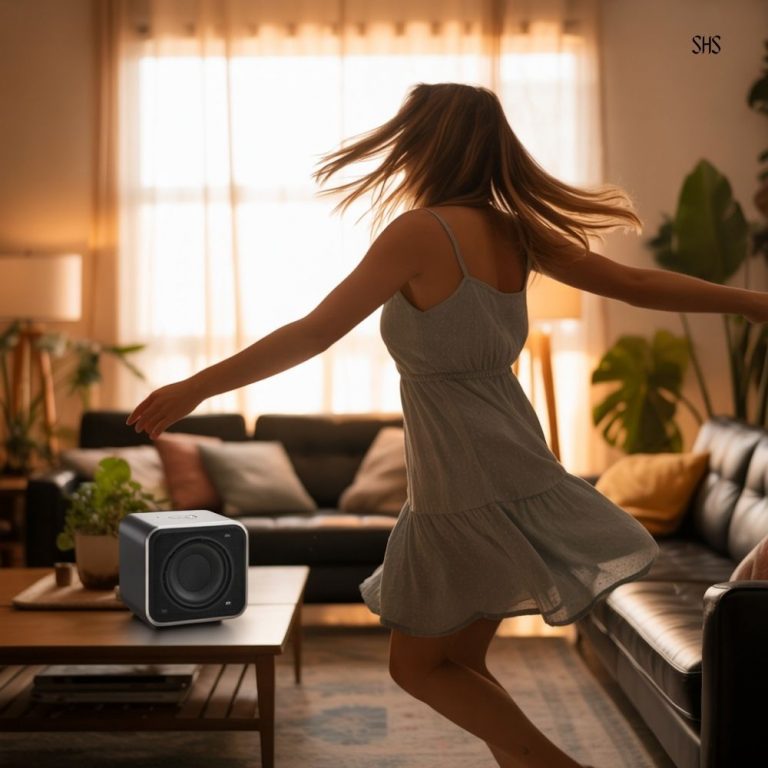
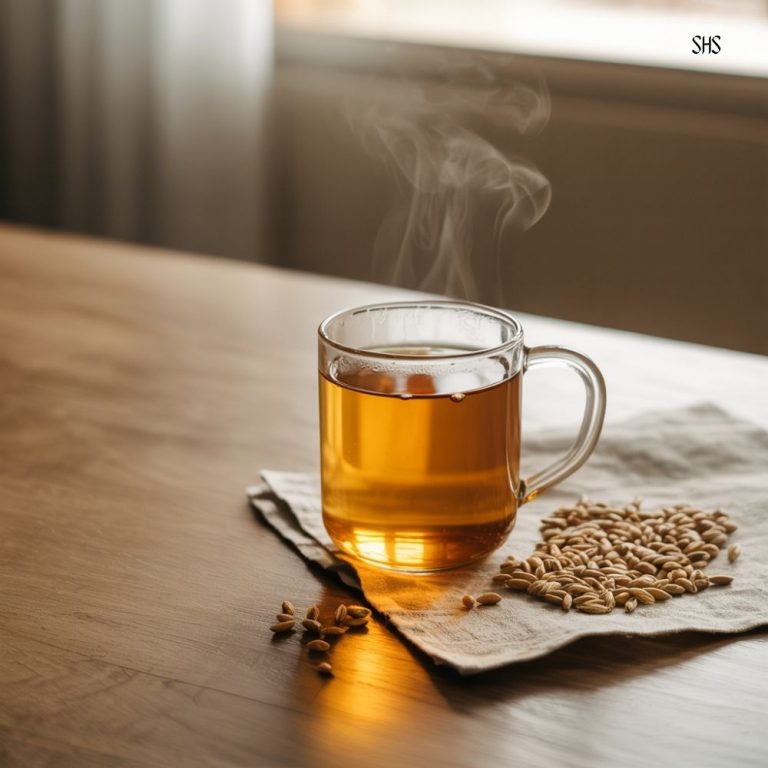
I stopped forcing myself to rest in ways that felt empty and started choosing forms of rest that offered gentle engagement, like listening to familiar music, stepping outside for a slow walk, or preparing something warm in the kitchen.
I also began paying attention to timing, noticing that rest landed differently depending on when I took it, and that short pauses earlier in the day often prevented the deep exhaustion that made rest feel so hard later on.
These changes weren’t dramatic, but they were consistent, and consistency turned out to matter more than intensity. Rest became something I collaborated with rather than tried to master.
What Resistance Taught Me About Control
Looking back, I can see that my resistance to rest was closely tied to a desire for control, because staying slightly active made me feel prepared and protected. Rest required me to trust that nothing would unravel if I stopped monitoring everything, and that trust took time to build.
Once I saw resistance as information rather than failure, it became easier to work with instead of pushing against it. Resistance showed me where reassurance was needed, not where effort should increase.
That reframing changed how I approach other forms of care too.
How Rest Feels Now
Rest still isn’t perfect or effortless, but it feels more honest, because it’s built around how my body and mind actually respond rather than how I think they should. Some days rest looks like stillness, and other days it looks like quiet movement, and both are allowed without explanation.
The biggest difference is that rest no longer feels like a test I can fail, but a process I can adjust, and that flexibility has made it far more effective than rigidity ever was.
Today’s Charm
Notice the moment when rest feels uncomfortable, and ask what kind of reassurance your body might need instead of pushing through or pulling away.
What would rest look like if it were allowed to change with you?