The Meal I Make Differently Depending on How the Day Felt
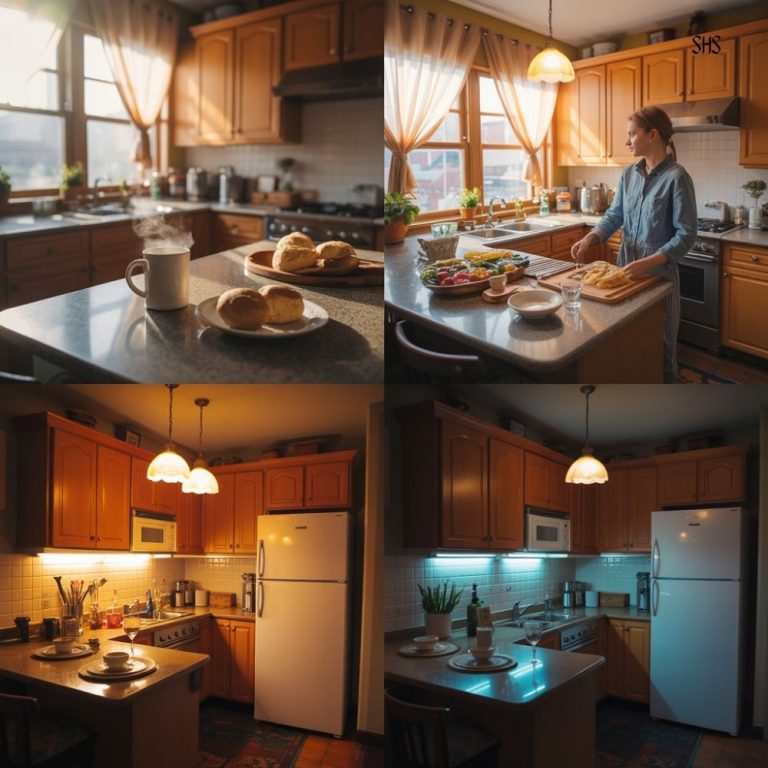
There is one meal I return to again and again, not because it’s fast or impressive or particularly photogenic, but because it listens to me more than most things do, quietly adjusting itself based on how much energy I bring to the kitchen. It’s a simple Asian-inspired rice bowl with soft vegetables, a savory sauce,…
There is one meal I return to again and again, not because it’s fast or impressive or particularly photogenic, but because it listens to me more than most things do, quietly adjusting itself based on how much energy I bring to the kitchen.
It’s a simple Asian-inspired rice bowl with soft vegetables, a savory sauce, and something warm on top. While the ingredients barely change, the way I make it shifts noticeably depending on whether the day felt heavy, rushed, gentle, or scattered.
I didn’t realize I was doing this at first, because I wasn’t making a decision so much as responding instinctively, cooking the same food with different hands, different pacing, and different expectations.
Over time, I noticed that this meal had become a kind of translator, taking the emotional tone of the day and turning it into something I could eat, which made dinner feel less like another task and more like a soft landing.
The Base That Never Changes
At its core, the meal is always built on warm rice, usually jasmine or short-grain, cooked until tender and slightly sticky, because that texture feels grounding in a way that fluffier rice never quite does for me.
Rice is neutral without being empty, steady without being boring, and it holds whatever you place on it without demanding attention, which makes it the perfect foundation when the day has already asked enough.
I almost always cook the rice the same way, rinsing it slowly, letting it steam properly, and fluffing it gently at the end, because the predictability of that process is comforting no matter how the rest of the day went.
On Hard Days, Everything Gets Softer
On days that feel emotionally heavy or physically draining, the meal becomes gentler in every possible way, even though the ingredients are technically the same.
I cook the vegetables longer, letting them soften completely, almost collapse, so there’s nothing crisp or demanding about them. I usually choose things like mushrooms, napa cabbage, or zucchini that melt easily and release moisture as they cook.
The sauce on those days leans warm and mellow, often a mix of soy sauce, a little sesame oil, and a splash of broth or water to dilute the saltiness, creating something soothing rather than sharp.
I stir slowly, keep the heat low, and let everything blend together until the bowl feels cohesive, like it’s meant to be eaten without thinking too much.
When the day has been hard, I top it with something soft, like a gently scrambled egg or silken tofu warmed through, because chewing shouldn’t feel like work and flavor shouldn’t ask for analysis.
On Restless Days, I Chop Smaller and Move Faster
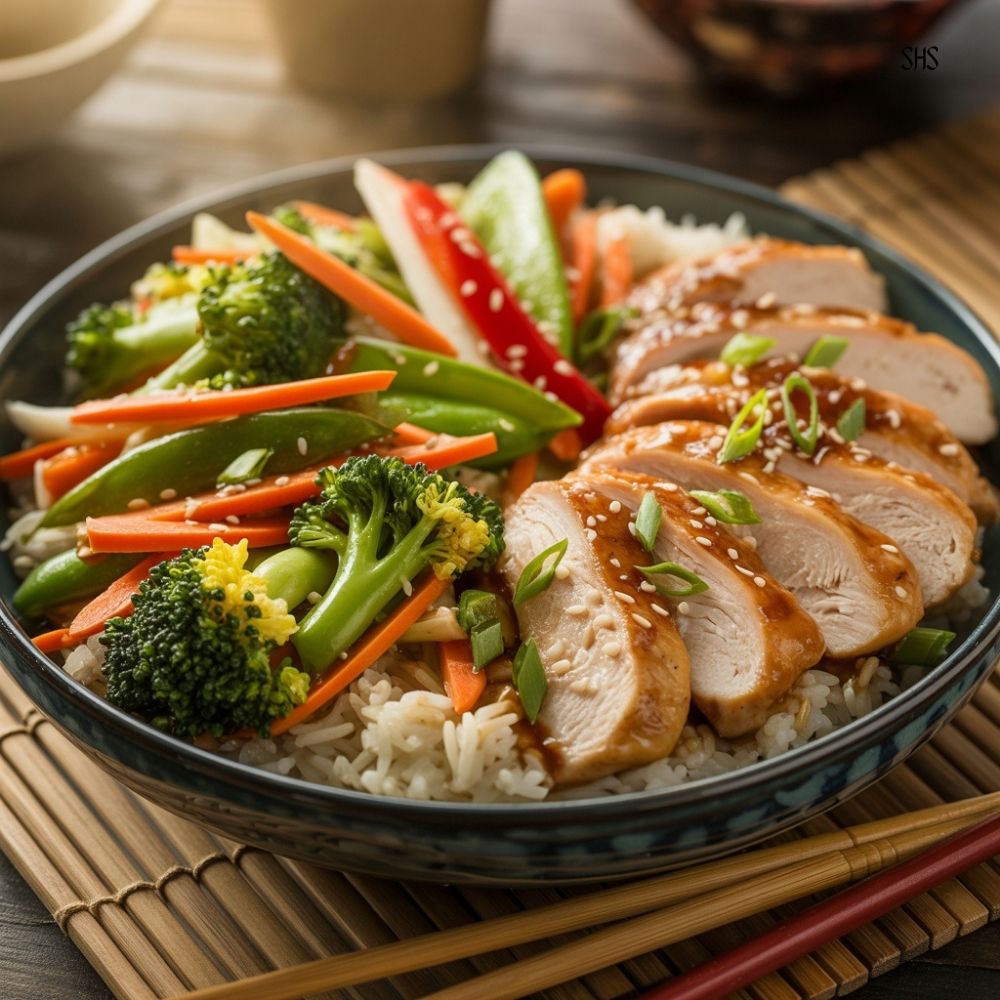
When the day has felt restless rather than heavy, the meal takes on a different energy, even though I’m still making the same thing. I chop the vegetables smaller, more finely, because my hands want to move quickly and rhythmically.
On those days, I might add ginger or garlic more generously, letting the scent bloom in the pan and give my mind something to focus on, and the sauce becomes a little brighter, maybe with rice vinegar or a squeeze of lime to sharpen the edges just enough to match how I feel.
The bowl still feels comforting, but in a way that wakes me up instead of tucking me in, meeting my energy instead of trying to calm it prematurely.
On Good, Spacious Days, I Take My Time
On days that feel spacious, unhurried, and emotionally light, I let myself linger in the kitchen, stretching the process out because there’s no need to rush toward the end.
I slice vegetables more deliberately, maybe adding something extra like snap peas or carrots cut on the diagonal, simply because I have the patience to make them pretty.
I let the sauce reduce slightly, tasting as I go, adjusting slowly rather than instinctively, and sometimes I’ll add a drizzle of chili oil or a sprinkle of toasted sesame seeds at the end, not because it’s necessary, but because the day has left room for small pleasures.
The bowl on those days feels almost celebratory, even though it’s made of the same humble parts, reminding me that mood doesn’t change what we need, but how we want to receive it.
On Overstimulating Days, I Keep the Flavors Quiet
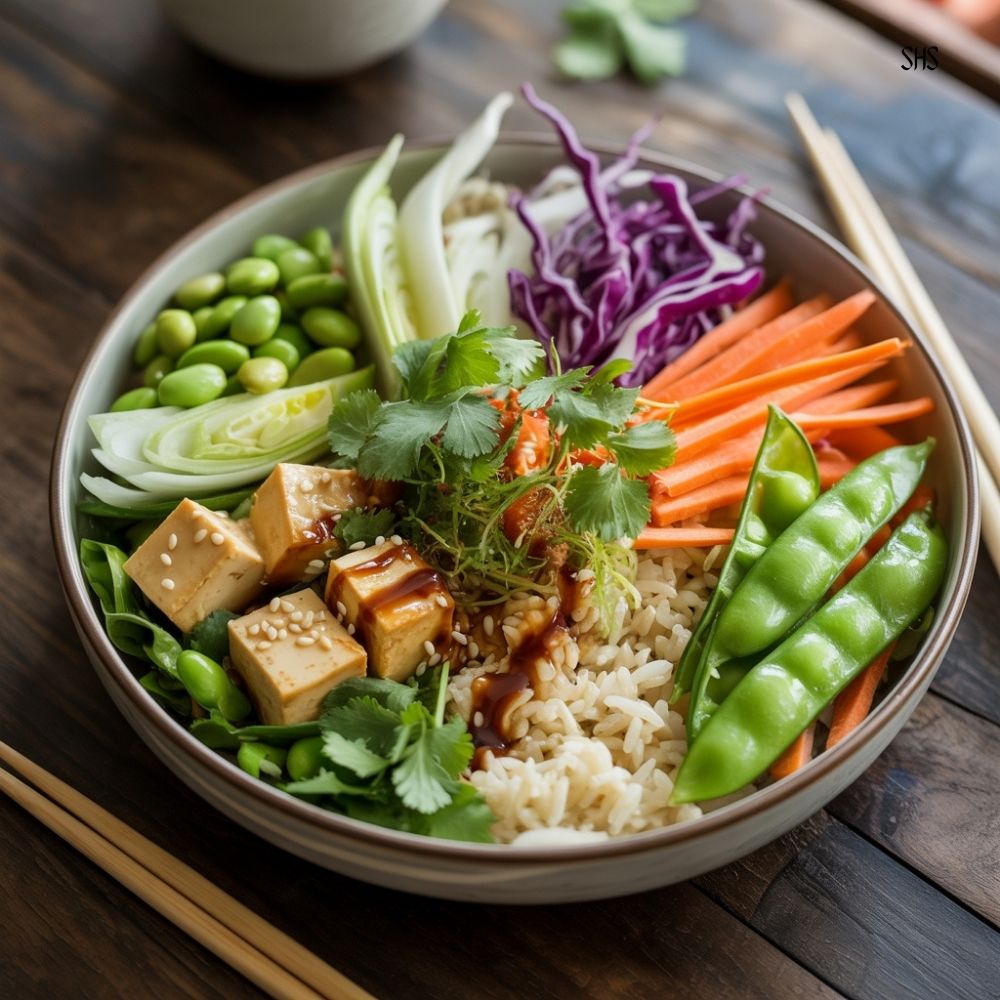
Some days aren’t exactly bad, but loud, filled with too many conversations, too many decisions, or too much noise, and on those evenings, I cook this meal with restraint. I avoid layering too many flavors, choosing simplicity over complexity.
The vegetables stay minimal, the sauce stays balanced, and I skip anything spicy or acidic, letting the bowl taste mostly like warmth and salt and steam. I eat it slowly, often standing at the counter or sitting somewhere quiet.
Those versions of the meal feel like a pause rather than a highlight, and that’s exactly what I need.
The Sauce That Adjusts With Me
The sauce is where the biggest emotional shifts show up, even though it’s always made from the same small group of ingredients.
Soy sauce forms the base, sometimes lightened with water or broth, sometimes deepened with a little honey or sugar, sometimes sharpened with vinegar, and sometimes softened with sesame oil, depending on what feels right.
I never measure it precisely, because the act of tasting and adjusting is part of how I check in with myself, noticing what I crave and what I want to avoid. The sauce becomes a conversation rather than a formula, responding to the day as much as the food.
What This Taught Me About Feeding Myself
This meal taught me that feeding myself isn’t just about nutrients or efficiency, but about interpretation, about noticing what kind of care fits the moment rather than defaulting to what looks good on paper.
Making the same food differently depending on the day helped me trust my instincts instead of overriding them, which made cooking feel less like another decision and more like a form of listening.
It showed me that consistency doesn’t have to mean rigidity, and that nourishment can be adaptive without becoming chaotic.
Why I Don’t Write This Recipe Down
I could write this recipe down precisely, but I choose not to, because its value lives in how it responds rather than how it repeats.
The rice, vegetables, sauce, and topping are always there, but the way they come together changes with my mood, my energy, and the season, which makes the meal feel alive instead of fixed.
Remembering the feeling of it matters more than remembering the steps.
As long as my days continue to vary, I’ll let this meal vary too, because it has taught me that sameness doesn’t have to mean stagnation.
Letting the same food meet me differently each night feels like an act of trust, in myself and in the process, and that trust makes the kitchen feel like a place I can return to no matter how the day unfolded.
Today’s Charm
Make a familiar meal tonight, but let the way you cook it reflect how the day actually felt instead of how you think it should have felt.
What small adjustment could help your dinner meet you where you are?