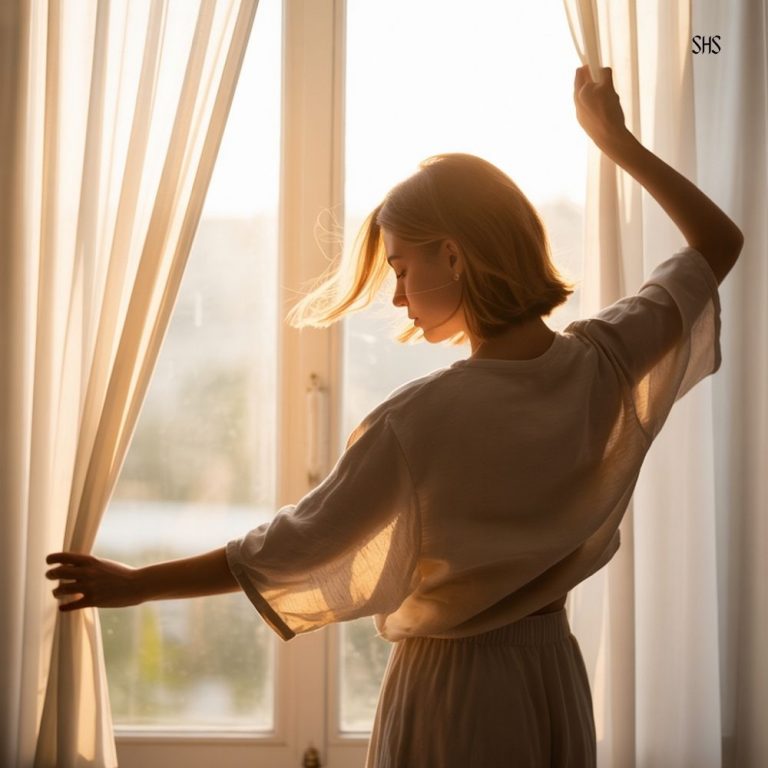
The Way I Choose Seats in Public to Feel Less Overstimulated
For a long time, I thought feeling overwhelmed in public spaces meant there was something wrong with my tolerance, like I simply wasn’t built for cafés, waiting rooms, restaurants, or any place where people moved unpredictably and sounds layered on top of each other. I would sit down already tense, scan the room without meaning…
For a long time, I thought feeling overwhelmed in public spaces meant there was something wrong with my tolerance, like I simply wasn’t built for cafés, waiting rooms, restaurants, or any place where people moved unpredictably and sounds layered on top of each other.
I would sit down already tense, scan the room without meaning to, and leave feeling drained even if nothing particularly bad had happened, which made me assume the problem was internal rather than environmental.
What I eventually realized, almost by accident, was that the way I placed my body in a space mattered far more than I had been giving it credit for, and that choosing the right seat could turn a noisy, busy environment into something manageable without needing to leave or push through discomfort.
The change didn’t come from building resilience or learning to tune things out, but from paying attention to corners, backs, and light, and letting those elements quietly support me instead of fighting against them.
The Moment I Noticed Seating Was the Problem
I first noticed this on a day when I ducked into a café simply to warm up, not intending to stay long or do anything productive, and sat at the first open table without thinking.
The seat faced the center of the room, the light from the window hit my eyes directly, and people kept passing behind me, which I tried to ignore until my shoulders crept upward and my breathing grew shallow.
Out of curiosity rather than intention, I moved to a different seat when it opened up, one tucked slightly into a corner with a wall behind me, and the difference was immediate enough to feel almost physical.
The noise didn’t disappear, but it stopped feeling invasive, and the movement around me faded into the background instead of demanding my attention.
That was the moment I understood that overstimulation wasn’t about the space itself, but about how exposed I felt within it.
Why Corners Create Instant Relief
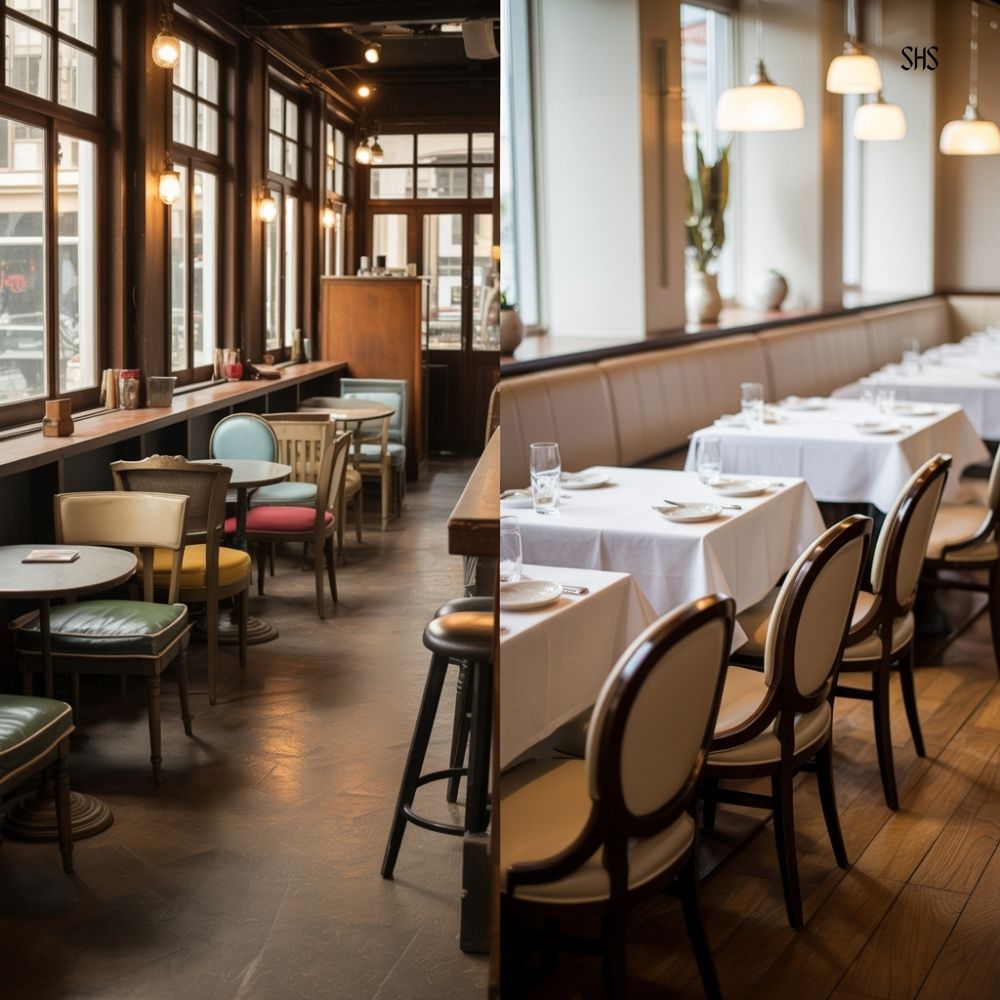
Corners work because they reduce visual input without requiring isolation, allowing you to stay present in a space without absorbing every detail at once.
When I sit in a corner, my field of vision naturally narrows, which means fewer moving parts to track and fewer decisions my brain has to make about what matters.
There is also something grounding about having two walls nearby, because it creates a subtle sense of containment that tells my nervous system it doesn’t need to stay alert in all directions.
I can still see what I need to see, but I’m not constantly scanning for movement, which frees up mental space I didn’t realize I was using just to feel safe.
Why Having My Back Supported Matters More Than I Expected
Sitting with my back to a wall or solid surface turned out to be one of the most important adjustments I’ve made, because it removes the unconscious vigilance that comes from not knowing what’s happening behind you.
When my back is exposed, part of my attention stays tethered to the space behind me, listening for footsteps or movement even when I’m trying to focus on something else.
When my back is supported, that vigilance drops away naturally, and my body settles into the seat instead of hovering above it. I don’t have to tell myself to relax, because the position itself communicates safety in a way words never could.
The Difference Between Facing the Room and Facing a Wall
When I face the center of a room, my attention is pulled outward, tracking movement, expressions, and changes without my consent, which can feel overwhelming even if I’m enjoying myself.
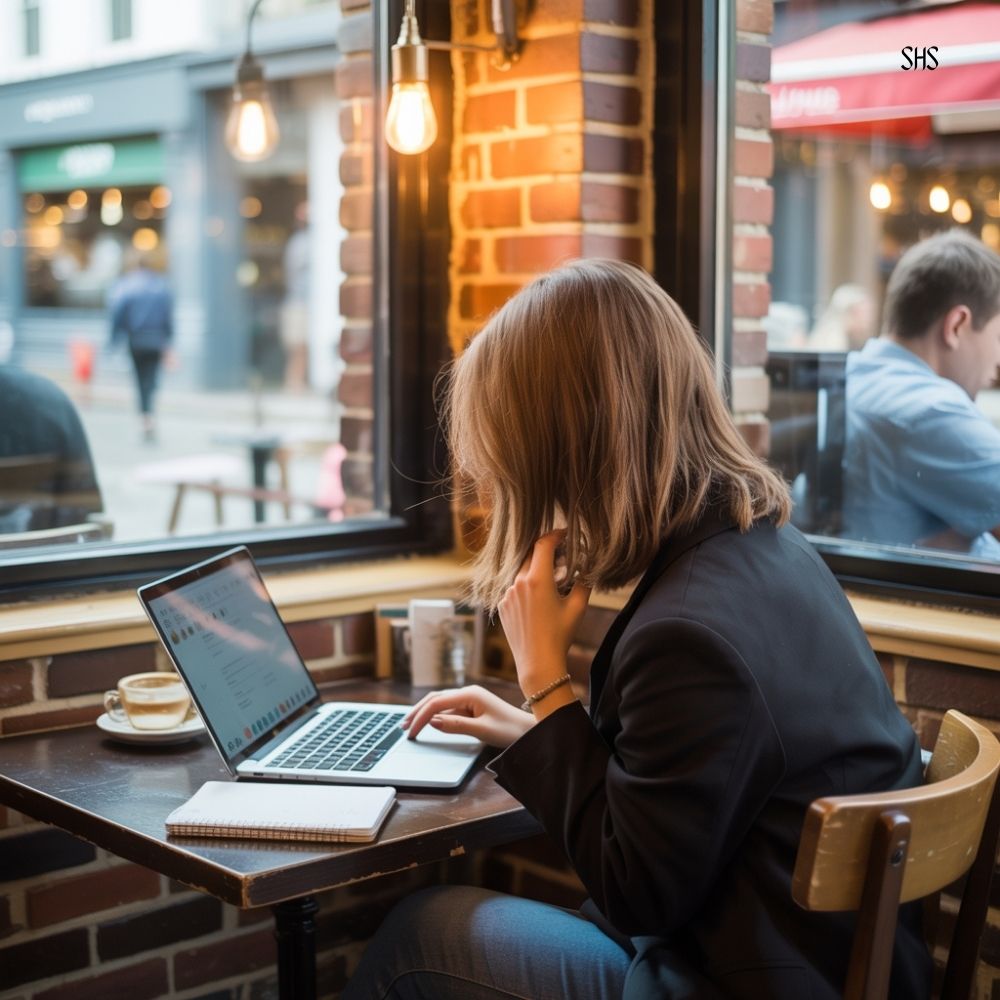
Facing a wall or window, on the other hand, gives my attention somewhere to rest, whether it’s a view, a texture, or simply a neutral surface.
This doesn’t mean hiding or withdrawing, but choosing a direction that allows my mind to settle rather than scatter. Having something steady in front of me creates a visual anchor that helps everything else recede into the background.
How I Choose Seats Without Making It Obvious
I don’t announce this process or treat it like a rule, and I’ve learned to move through it quietly and naturally, scanning a space briefly before sitting and choosing the option that feels most supportive rather than most convenient.
If I’m with others, I’ll suggest a table casually or wait for a seat that fits without needing to explain why.
Most of the time, people don’t notice, and even if they do, the choice benefits everyone by creating a calmer base for conversation or rest.
This approach works in cafés, waiting rooms, public transit, restaurants, and even outdoor spaces, because the principles stay the same regardless of setting. Corners reduce input, backs provide security, and light direction shapes how the space feels on a sensory level.
Once I started noticing these patterns, I realized how often discomfort came from positioning rather than circumstance, and how easily that discomfort could be reduced with a small adjustment.
What This Taught Me About Self-Support
Choosing seats this way taught me that supporting myself doesn’t always mean leaving a situation or pushing through it, but sometimes simply adjusting how I enter it. Instead of blaming my sensitivity or wishing I could tolerate more, I learned to work with my nervous system instead of against it.
That shift felt empowering rather than limiting, because it gave me options where I previously felt stuck.
Over time, this habit has made me feel more confident in public spaces, not because they became quieter or easier, but because I trust myself to navigate them gently.
Knowing I can reduce overstimulation without withdrawing entirely allows me to stay longer, enjoy more, and leave feeling intact rather than depleted.
That confidence comes from preparation rather than toughness, and I’ve learned to value that distinction.
Today’s Charm
Next time you enter a public space, notice where your body feels most supported, and choose a seat that gives your back something solid and your eyes somewhere calm to land.
What small environmental shift could make your next outing feel gentler?