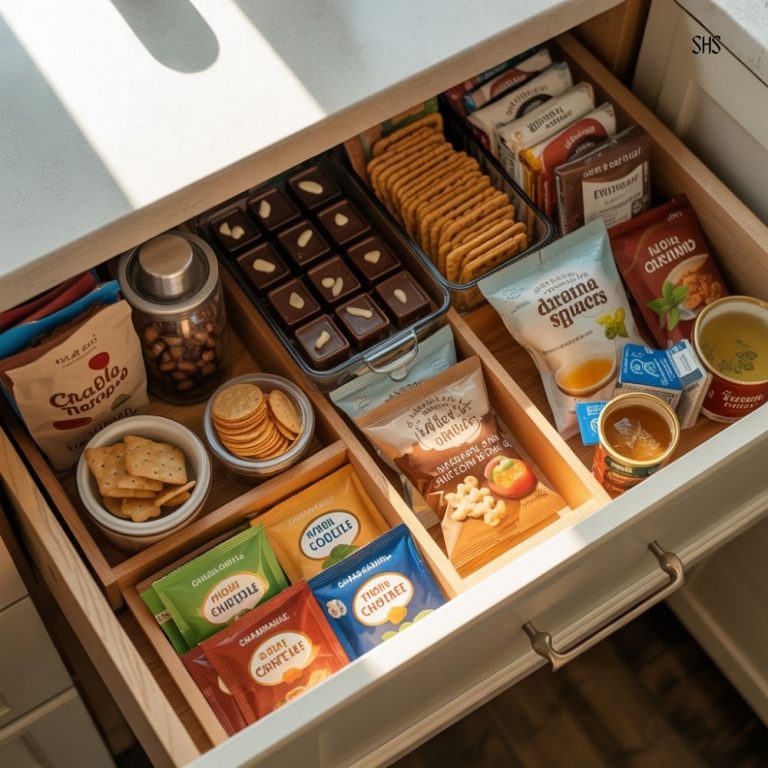
Why I Started Preparing Tomorrow’s Breakfast the Night Before
For a long time, mornings felt like something I had to earn my way into, as if the day didn’t fully belong to me until I proved I could handle it. I wasn’t rushing exactly, and I wasn’t late, but there was a subtle sharpness to the beginning of each day that left me slightly…
For a long time, mornings felt like something I had to earn my way into, as if the day didn’t fully belong to me until I proved I could handle it.
I wasn’t rushing exactly, and I wasn’t late, but there was a subtle sharpness to the beginning of each day that left me slightly braced before I had even taken my first sip of anything warm.
Breakfast existed somewhere in that tension, either delayed, rushed, or treated as an afterthought that I would get to once I felt more awake.
What I didn’t realize then was that the problem wasn’t time or discipline, but how much decision-making I was asking of myself before my body had fully arrived.
Choosing what to eat, preparing it, cleaning up, and transitioning into the day all at once required more energy than I had in those early moments, and the cost showed up as irritability, distraction, or a sense of being behind before anything had actually gone wrong.
Preparing breakfast the night before didn’t start as a plan, but as a response to that quiet friction.
The Mornings That Felt Slightly Too Loud
The mornings that pushed me toward this habit weren’t dramatic or chaotic, but consistently a little too loud in ways that were hard to name. The light felt harsher, sounds felt sharper, and small inconveniences like spilling something or not knowing what I wanted to eat felt disproportionately annoying.
I noticed how often my mood shifted before the day had even begun, and how quickly I felt pulled into thinking, planning, and responding when what I really needed was a gentler entry. Breakfast, which should have been grounding, often became another thing to manage.
That mismatch stayed with me long enough that I finally stopped asking what was wrong with me and started asking what mornings actually needed.
How the Idea Arrived Quietly
The idea to prepare breakfast ahead of time didn’t come from wanting to be efficient, but from wanting to be kind, especially to the version of myself who wakes up slower and softer than the rest of the day expects.
One evening, while cleaning up after dinner, I found myself assembling something simple for the next morning without really thinking about it, and I noticed how calming that felt.
There was no rush, no pressure, and no urgency, just the quiet act of putting something together while my body was already settled. I realized that this version of me, the evening version, had more capacity to choose gently, and that offering that care forward felt natural rather than forced.
What Breakfast Looks Like When It’s Prepared Ahead
The breakfasts I prepare the night before are simple, familiar, and easy to eat without effort, because the goal isn’t variety or novelty, but steadiness.
Sometimes it’s overnight oats with fruit that softens slowly, sometimes it’s a bowl set out with toast ready to warm, and sometimes it’s something savory that can be reheated quietly.
What matters is that the choice has already been made, the ingredients are ready, and the morning version of me doesn’t have to negotiate or decide. Breakfast becomes something to receive rather than something to produce. That shift alone changes how the day begins.

Why Evenings Are Better for Choosing
Evenings, especially after dinner, hold a different kind of clarity for me, one that isn’t about focus but about honesty.
I can tell what kind of food will feel good the next day, not based on craving or urgency, but on memory, knowing how my body tends to feel in the morning and what will land gently.
Choosing breakfast at night feels more intuitive, because I’m not hungry yet, not rushed, and not overstimulated, which allows the decision to come from care rather than need. That difference shows up the next morning in how the food feels, not just in how it tastes.
How This Changed My Relationship With Mornings
Once breakfast stopped being a question mark, mornings felt less demanding, because one decision had already been removed from the most sensitive part of the day. I moved more slowly, noticed more, and felt less rushed even when time was technically the same.
The day didn’t start with negotiation, but with acceptance, and that subtle difference made everything that followed feel more manageable.
Although preparing breakfast the night before does save time in a literal sense, that was never the benefit that mattered most to me. What it saved was energy, attention, and emotional bandwidth, especially in those first moments when my system is still adjusting to being awake.
The habit isn’t about efficiency, but about pacing, about distributing effort in a way that respects natural rhythms instead of fighting them.
Why I Keep the Habit Flexible
I don’t prepare breakfast ahead every single night, and that flexibility is what keeps the habit gentle rather than rigid. Some nights I don’t have the energy, and some mornings I want something different, and both are allowed without the system breaking.
The habit exists as an option, not a rule, and that distinction keeps it supportive rather than demanding.
Preparing breakfast ahead taught me that planning doesn’t have to feel controlling or heavy, but can be an act of care when it’s aligned with real needs. I stopped thinking of preparation as something that constrains freedom and started seeing it as something that creates ease.
That reframing changed how I approach other parts of my day too.
Today’s Charm
Before going to bed tonight, do one small thing that will make tomorrow morning feel less demanding.
What kind of gentleness would you want to wake up to?