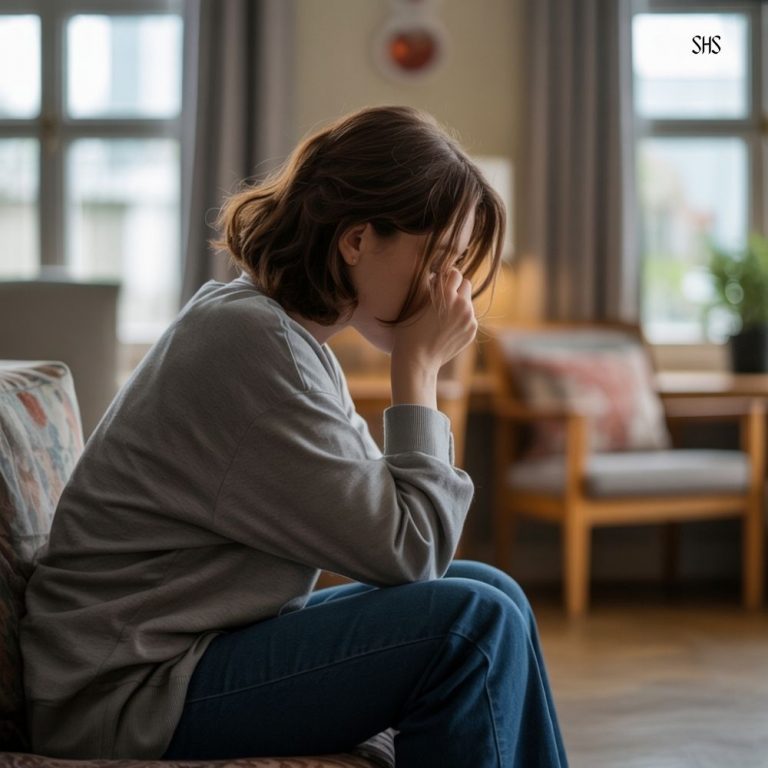
How Walking Became My Way of Processing Without Trying To
I didn’t set out to use walking as a way to think things through, and I certainly didn’t frame it as something intentional or therapeutic at first. It began in the most ordinary way possible, as something I did simply to get out of the house and move my body when everything inside felt a…
I didn’t set out to use walking as a way to think things through, and I certainly didn’t frame it as something intentional or therapeutic at first. It began in the most ordinary way possible, as something I did simply to get out of the house and move my body when everything inside felt a little too loud.
I wasn’t looking for clarity or answers, and I wasn’t trying to solve anything, but over time I noticed that certain thoughts softened while I walked, certain worries lost their sharpness, and certain decisions seemed less complicated by the time I returned home.
What surprised me most was that this clarity never arrived in a dramatic moment, and it didn’t come with insight or revelation, but rather through absence, the absence of urgency, pressure, and the need to conclude.
Walking didn’t make me think harder, but made thinking less effortful, and that difference changed how I understood what processing actually looks like.
The Early Walks That Didn’t Feel Like Anything
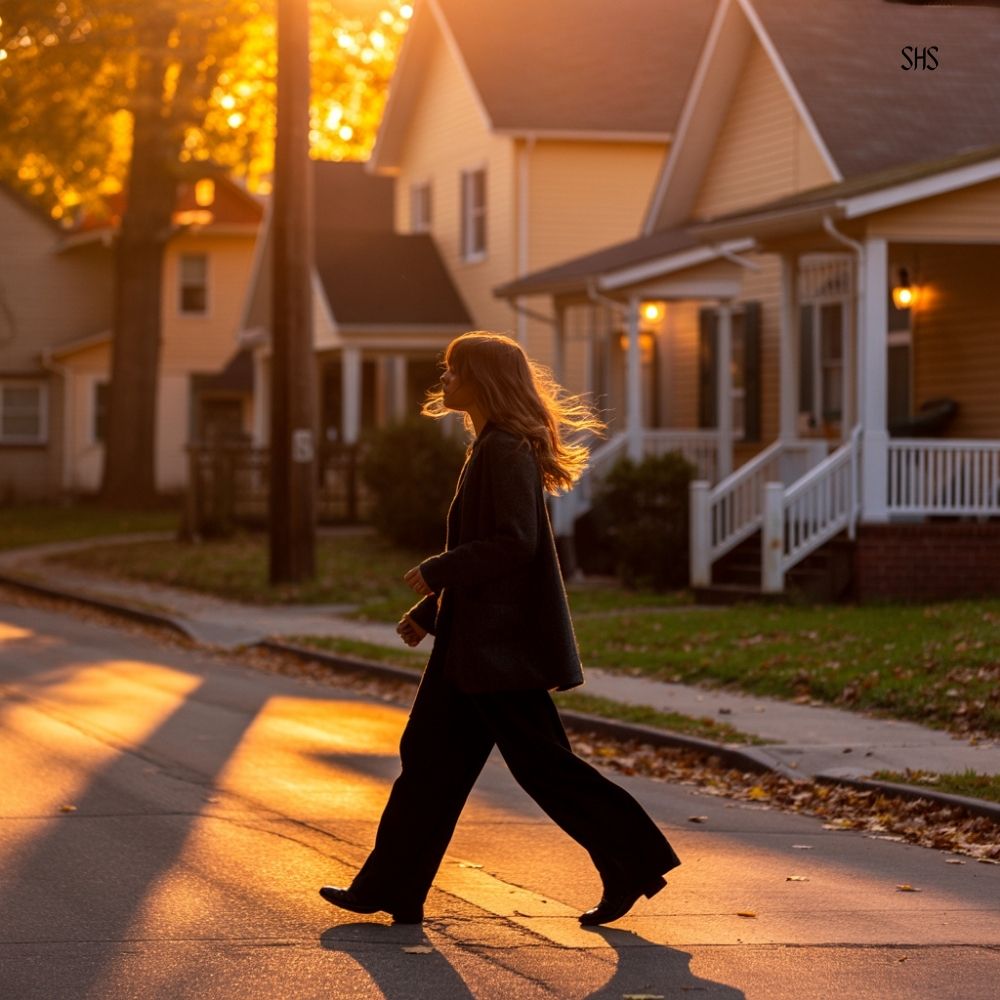
At first, walking was just something I did between other things, a way to stretch the day when being inside felt heavy or stagnant. I walked familiar streets, passed the same houses, crossed the same intersections, and paid very little attention to any of it, because nothing about the route felt important or new.
I remember coming back from those early walks thinking that nothing had really happened, yet noticing later that I felt steadier, less reactive, and more patient than I had before.
I didn’t connect the dots right away, because the walk hadn’t felt productive or meaningful in the moment, but over time the pattern became impossible to ignore. Something was shifting quietly while I moved.
Why Repetition Turned Out to Matter
The clarity I found through walking didn’t come from novelty or exploration, but from repetition, from taking the same route again and again until it stopped asking anything of me.
Once the path became familiar, my attention loosened, and my body moved without instruction, freeing my mind from the constant task of orientation and decision-making.
That repetition created a kind of background rhythm that held my thoughts gently, allowing them to surface and drift without being chased or corrected. I wasn’t trying to resolve anything, but my mind began sorting itself naturally, because nothing else was demanding its focus.
Walking the same path taught me that stability can be a doorway rather than a constraint.
How My Body Took Over the Work
As walking became routine, I noticed that my body began doing something my mind usually tries to control, which was regulating pace, breath, and attention without instruction. My steps fell into an even rhythm, my breathing adjusted automatically, and my shoulders relaxed in a way that felt unforced.
This physical steadiness created a container for my thoughts, giving them space to move without overwhelming me. Instead of circling the same worries, my mind began shifting through them more fluidly, letting some go entirely and settling others without effort.
It felt less like thinking and more like letting things land where they needed to.
Why Walking Didn’t Demand Answers
What made walking so effective was that it didn’t ask me to arrive anywhere emotionally, because there was no expectation built into the movement itself. I wasn’t sitting down to think, journaling to process, or talking something out, all of which carry an implicit goal of resolution.
Walking allowed my thoughts to exist without direction, and that lack of pressure made them less intense. Problems that felt urgent indoors often lost their edge outside, not because they were solved, but because they were no longer amplified by stillness or overattention.
Why Walking Worked When Sitting Didn’t
I’ve tried processing while sitting still, and while that works sometimes, it often leaves me feeling stuck inside my own thoughts, looping rather than moving forward. Walking changed the shape of thinking itself, introducing physical motion that kept my mind from settling into rigid patterns.
Movement created momentum without direction, which turned out to be the missing piece, because it allowed thoughts to pass through instead of piling up. I didn’t have to choose what to think about, because the rhythm of walking carried everything along naturally.
What Walking Taught Me About Gentle Processing
Walking taught me that processing doesn’t have to be active or intentional to be effective, and that sometimes the most helpful thing you can do is create conditions where thoughts are allowed to settle on their own.
I didn’t need to confront everything directly or analyze my feelings in detail, but needed space and rhythm instead.
That realization softened my relationship with my inner life, making it feel less like something to manage and more like something to accompany.
One of the most unexpected gifts walking gave me was a different relationship with uncertainty, because I learned to carry unanswered questions without needing to resolve them immediately.
Walking showed me that it’s possible to hold ambiguity gently, letting it exist alongside movement and breath without escalating into anxiety.
That ability carried over into the rest of my life, making uncertain moments feel less threatening and more temporary.
I trust walking because it has shown me, again and again, that clarity doesn’t always come from effort, and that understanding can emerge from repetition, rhythm, and time.
It has taught me to value processes that don’t announce themselves and to respect the intelligence of my body when it’s allowed to move freely.
Walking doesn’t solve my problems, but it makes space for me to meet them differently.
Today’s Charm
Take a familiar walk without trying to think anything through and notice how your body carries you even when your mind isn’t leading.
What might settle on its own if you let movement do the holding for a while?