The Subtle Difference Between Feeding Myself and Nourishing Myself
For a long time, I thought feeding myself and nourishing myself were the same thing, interchangeable phrases that meant I had eaten something and therefore done what was required. I didn’t question that assumption because most days I was technically meeting the basic need, putting food in my body often enough to keep going, and…
For a long time, I thought feeding myself and nourishing myself were the same thing, interchangeable phrases that meant I had eaten something and therefore done what was required.
I didn’t question that assumption because most days I was technically meeting the basic need, putting food in my body often enough to keep going, and nothing about that seemed worth examining more closely.
It wasn’t until I began noticing how differently my body and mood responded to meals that looked similar on the surface that the distinction started to reveal itself. Not as a rule or realization, but as a pattern that showed up quietly and repeatedly over time.
Some meals left me steadier, warmer, and more present, while others filled my stomach without quite settling me, and the difference between the two had very little to do with calories, balance, or effort.
That contrast stayed with me, because it felt personal and specific rather than instructional.
How I First Noticed the Difference
The first clue came on days when I ate quickly, standing in the kitchen or distracted by something else, choosing foods that were convenient and familiar but eaten without much attention.
Those meals did their job in the most literal sense, quieting hunger and allowing me to move on, yet I often felt slightly unsatisfied afterward in a way that wasn’t about wanting more food.
On other days, I ate something equally simple but prepared and consumed more gently, sitting down, tasting it properly, and noticing warmth, texture, and smell, and those meals stayed with me differently.
I felt calmer, less rushed, and more anchored in my body, even though the ingredients hadn’t changed much.
I didn’t label this as nourishment at first, but I noticed the effect enough times that it became impossible to ignore.
Feeding Myself as a Functional Act
Feeding myself, as I came to understand it, is a functional act that meets a need efficiently and without much emotional involvement.
It’s what I do when I’m busy, distracted, or simply trying to get through the day, and there’s nothing wrong with it, because it keeps me going when I don’t have the capacity for more.
These meals are often repetitive, quick, and eaten alongside something else, and they serve their purpose without asking for presence or intention. Feeding myself this way is practical and sometimes necessary, especially on days when energy is low or demands are high.
Recognizing this helped me stop judging those meals as failures and start seeing them as one part of a larger picture.
Nourishing Myself as a Different Experience
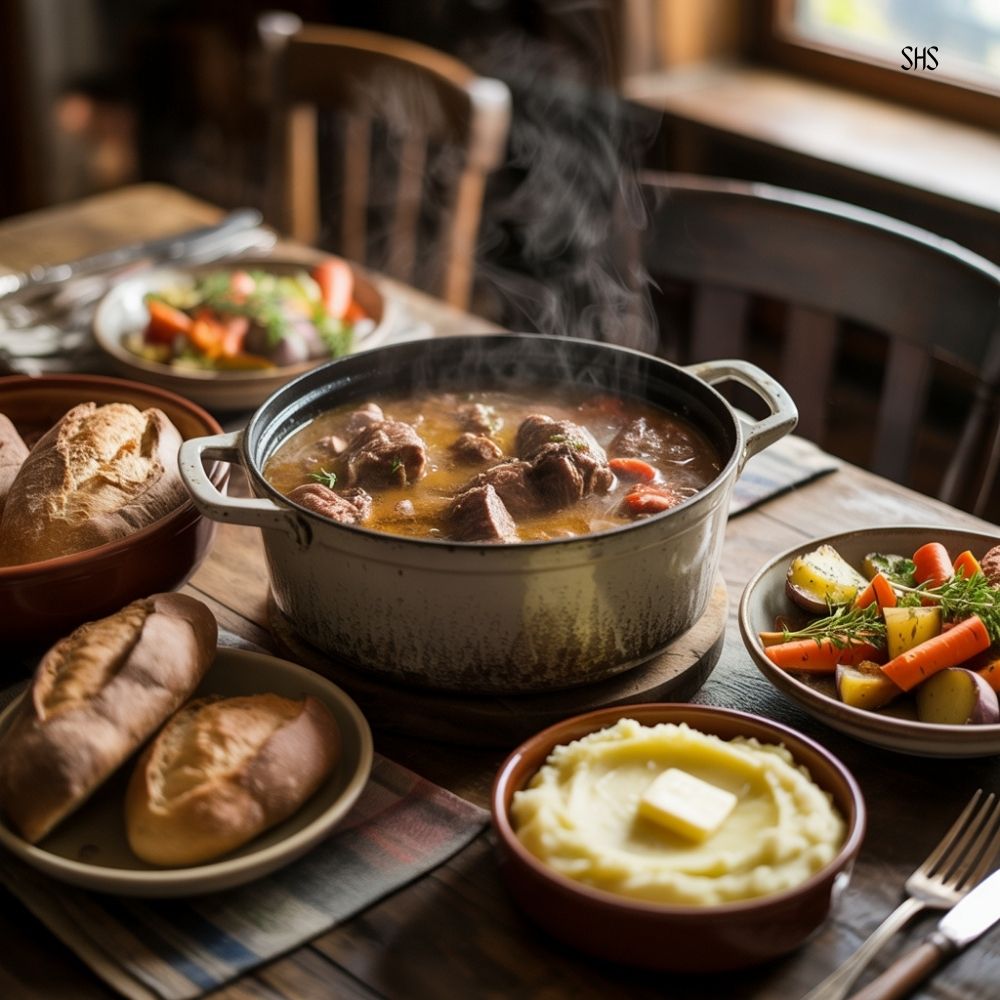
Nourishing myself, on the other hand, feels less like completing a task and more like arriving somewhere, even when the food itself is simple.
It involves a small pause before eating, a moment where I notice hunger without rushing to silence it, and a willingness to let the meal take up space in my attention.
These meals tend to include warmth, whether from temperature or familiarity, and they unfold at a pace that allows my body to register what’s happening. Nourishment doesn’t require elaborate cooking or special ingredients, but it does ask for a degree of presence that feeding doesn’t.
What Time Taught Me About the Difference
This distinction didn’t become clear all at once, but through repetition across many ordinary days, when I started noticing how my energy carried forward after different kinds of meals. After feeding myself quickly, I often felt flat or slightly disconnected, even if I wasn’t hungry anymore.
After nourishing myself, I noticed a subtle steadiness that lasted longer, making the rest of the day feel more manageable without requiring effort. The difference wasn’t dramatic, but cumulative, and over time those small shifts shaped how I thought about care.
Time gave me evidence where theory never could.
Why Nourishment Isn’t Always Possible
One of the most important things I learned was that nourishing myself isn’t always accessible or necessary, and that expecting every meal to provide that experience only adds pressure.
Some days require efficiency, and feeding myself is enough, because survival and continuity matter too.
Letting feeding and nourishing coexist without hierarchy allowed me to appreciate both without forcing myself into an ideal that didn’t fit every circumstance. That flexibility made nourishment feel like an option rather than an obligation.
How Warmth Became a Clue
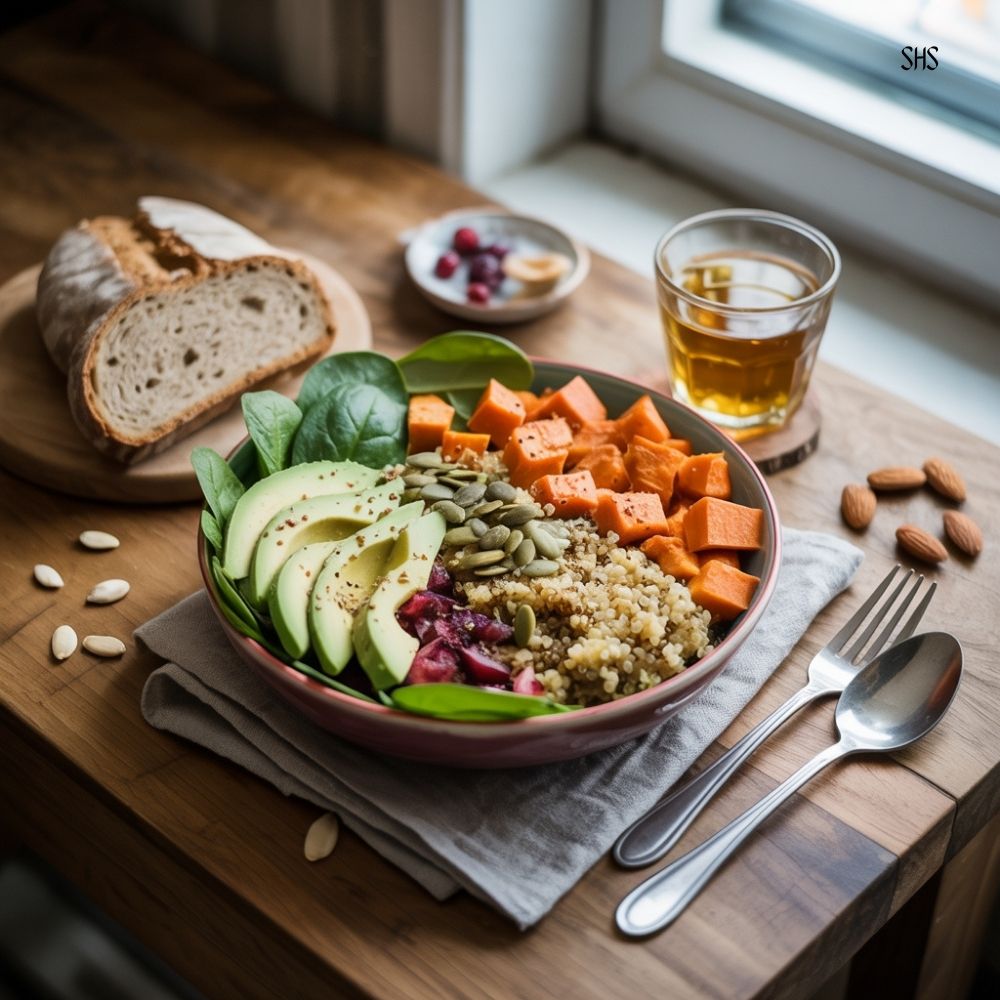
Warmth emerged as one of the clearest signals of nourishment, because warm food tended to settle my body in a way cold or rushed meals often didn’t.
Soups, rice bowls, and gently cooked vegetables seemed to reach deeper, not because they were superior, but because they aligned with what my body was asking for in quieter ways.
Noticing that helped me choose meals based on sensation rather than logic, which made eating feel more intuitive and less transactional.
Why I Stopped Forcing the Distinction
Eventually, I stopped trying to classify meals strictly as feeding or nourishing and started letting them exist on a spectrum, because most meals fall somewhere in between.
Some days a meal begins as feeding and becomes nourishing halfway through, and other days nourishment looks like simply choosing something that won’t ask too much of me. Letting go of rigid definitions made eating feel lighter and more responsive.
Why This Still Matters to Me
This distinction still matters because it reminds me that care doesn’t always look efficient, and that nourishment often lives in subtle choices rather than visible effort. Feeding myself keeps me moving, and nourishing myself helps me stay connected, and both have their place.
Honoring that balance has made eating feel less fraught and more human.
Notice one small thing about how your next meal feels in your body, not to judge it, but simply to observe it.
What might you learn if you let that information accumulate over time?