How I Stop Spices From Clumping in Humid Weather
I didn’t realize how much the clumping spices were bothering me until I fixed them, which is usually how these things go, because small annoyances have a way of becoming background noise that you only notice once they’re gone. Every time I reached for cinnamon or paprika and had to shake the jar harder than…
I didn’t realize how much the clumping spices were bothering me until I fixed them, which is usually how these things go, because small annoyances have a way of becoming background noise that you only notice once they’re gone.
Every time I reached for cinnamon or paprika and had to shake the jar harder than necessary, or tap it against the counter only to have nothing come out, I felt a brief flicker of irritation that lingered just enough to make cooking feel slightly less pleasant.
Living in a humid place means moisture sneaks into everything quietly, settling into drawers, jars, and corners without asking permission, and spices seem to be especially sensitive to it.
I used to assume clumping was just part of the deal, an inevitable side effect of weather I couldn’t control, until one afternoon when I noticed how many small workarounds I had built into my cooking just to deal with jars that refused to cooperate. That was when I decided to stop accepting it.
The Day I Finally Paid Attention to the Problem
The moment that pushed me into action wasn’t dramatic, but it was specific, which made it impossible to ignore.
I was cooking something simple, nothing fancy or time-sensitive, and reached for garlic powder only to find it completely solid, fused together into a compact mass that no amount of shaking would loosen.
Standing there, spoon in hand, I felt a flash of frustration that felt out of proportion to the situation, which told me the problem had been quietly bothering me for a while.
I didn’t want to replace the spices, and I didn’t want to buy special containers or gadgets, because the issue wasn’t the spices themselves, but how they were being stored in a space that didn’t account for moisture.
So I started looking for solutions that worked with humidity rather than pretending it didn’t exist.
Why Spices Clump in the First Place
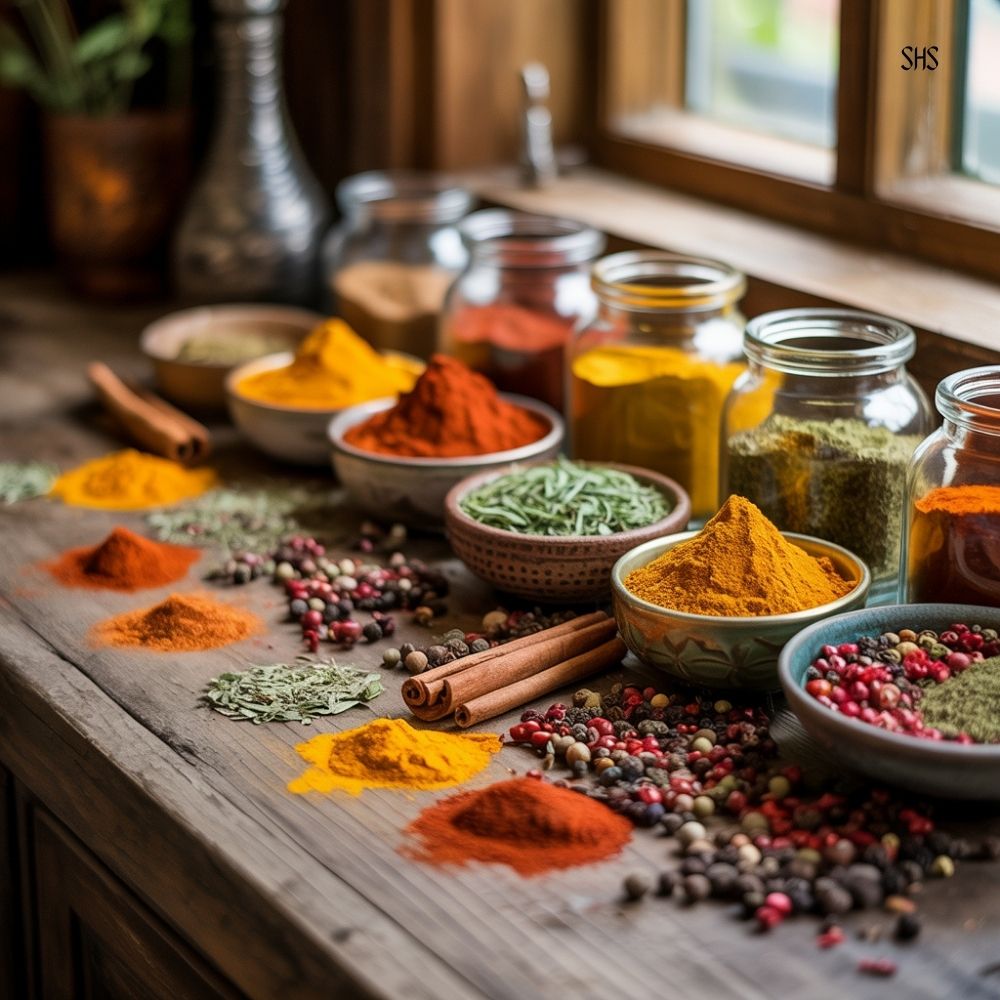
Once I understood what was actually happening, the fix became much clearer, because spices clump when moisture enters the jar and has nowhere to go.
In humid environments, even brief exposure to steam from cooking or warm air from the kitchen can introduce enough moisture to cause fine powders to stick together over time.
Plastic jars with tight seals can trap that moisture inside, and storing spices near the stove or sink exacerbates the problem, as heat and steam accelerate the process.
I realized that I wasn’t careless, but that my kitchen setup simply wasn’t designed to protect spices from the environment they were living in. That understanding shifted the tone from annoyance to problem-solving.
The Rice Trick That Actually Works
The first fix I tried was adding uncooked rice to my spice jars, a trick I had heard mentioned casually but never taken seriously until I needed something simple and immediate.
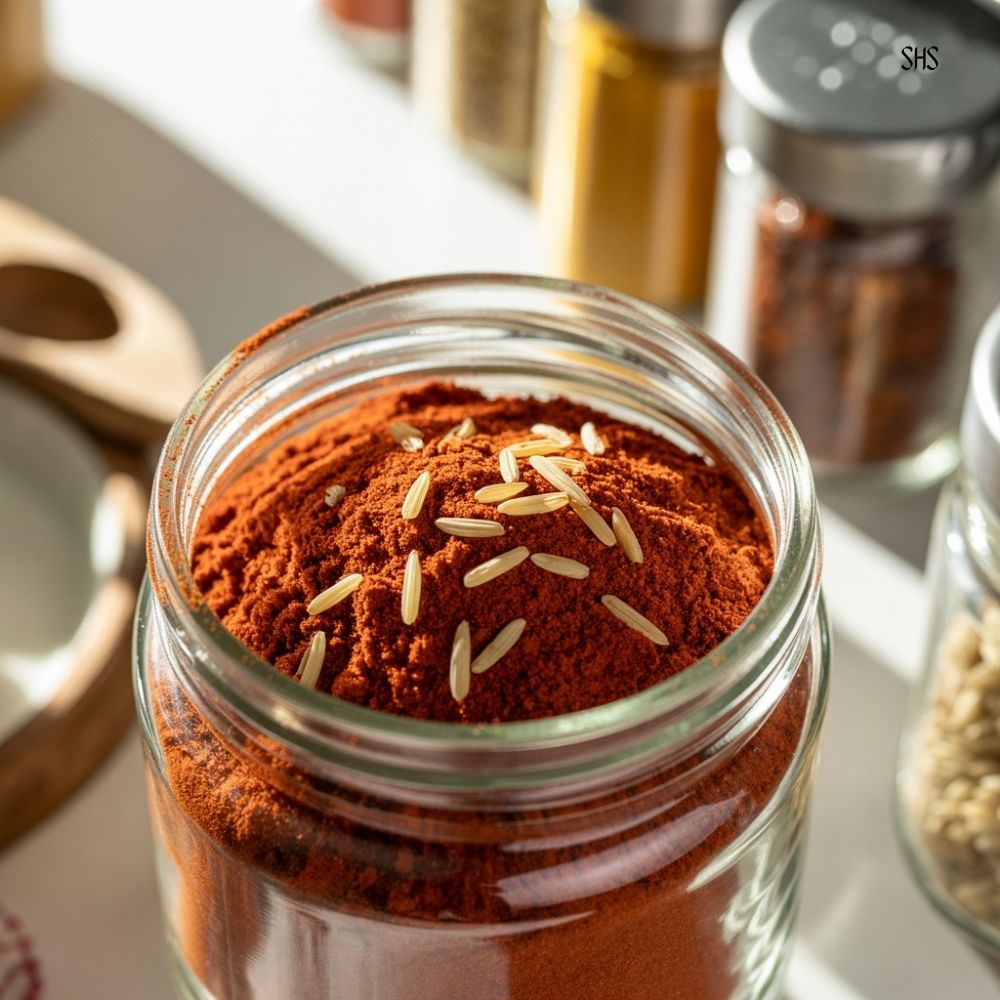
I dropped a small amount of dry rice into each jar, just a teaspoon or two depending on the size, making sure it stayed at the bottom where it could absorb moisture without interfering with the spice itself.
The effect wasn’t instant, but over a few days I noticed the spices loosening, flowing more easily, and staying that way even during particularly humid stretches. The rice acted like a quiet buffer, pulling moisture out of the air inside the jar without changing the flavor or texture of the spice.
What I appreciated most was how low-effort it was, because it didn’t require me to change how I cooked or handled the spices, but only how they lived between uses.
How I Keep the Rice From Becoming a Nuisance
At first, I worried about rice grains slipping out when I poured spices, but that turned out to be easily solved by paying attention to jar orientation and pour angle.
Keeping the jar slightly tilted rather than inverted allows the spice to flow while the rice stays put, and using jars with shaker tops adds an extra layer of separation that keeps everything tidy.
Over time, this became second nature, and the rice stopped feeling like an added element and started feeling like part of the spice itself, quietly doing its job without drawing attention.
The Storage Change That Made an Even Bigger Difference
While the rice helped immediately, the biggest improvement came from changing where I stored my spices, because no fix works well if the environment stays hostile.
I moved my spice rack away from the stove and sink, choosing a drawer and a cabinet that stay cooler and drier throughout the day, even when I’m cooking.
This single change reduced the amount of moisture my spices were exposed to in the first place, which meant the rice didn’t have to work as hard. I also made a habit of closing spice jars quickly after use, especially when steam was present, which helped prevent moisture from entering at all.
These small adjustments worked together, creating a system that felt supportive rather than fragile.
Why I Avoid Storing Spices Above the Stove
I used to think storing spices above the stove was convenient, until I realized it placed them directly in the path of heat and steam, two things spices dislike intensely.
Every time I boiled water or simmered something, that moisture rose straight into the cabinet, settling into jars and slowly changing their texture.
Once I moved the spices elsewhere, the clumping issue reduced dramatically, even before I added rice, which taught me how much placement matters in a kitchen that experiences regular humidity.
With the clumping gone, cooking felt smoother and more intuitive, because I wasn’t stopping mid-recipe to wrestle with jars or improvise around stubborn spices. Reaching for cinnamon or cumin became a fluid motion again, which made the act of cooking feel more relaxed and less interrupted.
Those small moments of ease add up, especially when cooking is something you do often, and I noticed myself feeling more patient and present in the kitchen without really trying.
What This Hack Taught Me About Working With My Environment
This simple fix taught me that many daily frustrations aren’t personal failings or inevitable inconveniences, but signs that the environment needs adjusting.
Instead of blaming myself for being annoyed or resigning myself to clumpy spices, I changed the conditions they were living in, and the problem resolved itself quietly.
That lesson has stayed with me, reminding me to look for environmental solutions before assuming something is just “how it is.”
Why This Small Fix Brought Unexpected Calm
There’s a particular satisfaction that comes from removing a recurring annoyance you didn’t realize was draining you, and fixing my spice jars did exactly that. The kitchen feels calmer, cooking feels smoother, and I no longer brace myself for frustration when I reach for a spice.
Sometimes peace shows up disguised as rice at the bottom of a jar. Add a small pinch of uncooked rice to one spice jar tonight and notice how it changes the way that spice behaves over the next few days.
What small irritation in your kitchen might be solved by working with the environment instead of fighting it?